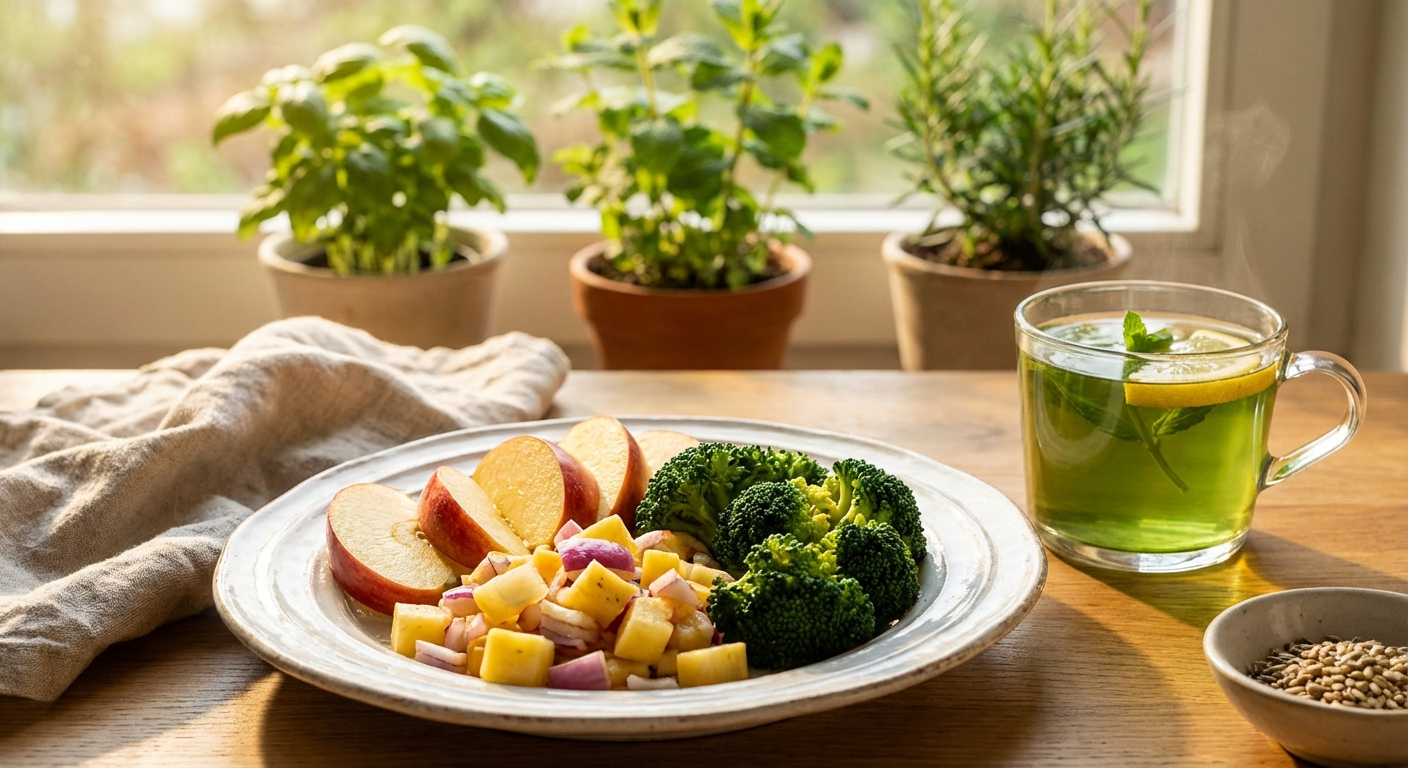
Quercetin is one of nature's most potent anti-inflammatory and antiviral compounds—yet it remains virtually unknown outside wellness circles. This bioflavonoid, found abundantly in apples, red onions, broccoli, and green tea, does something remarkable: it primes your immune system for defensive efficiency without triggering autoimmunity.
Unlike generic "immune support" supplements, quercetin has genuine mechanistic research backing its use. It inhibits histamine release (reducing allergy symptoms), blocks viral cell entry, suppresses pro-inflammatory cytokines, and enhances the function of natural killer (NK) cells. When taken as part of a morning protocol, quercetin creates a 6-8 hour window of enhanced immune readiness.
This guide breaks down the science and shows you exactly how to make quercetin part of your morning routine for lasting immunity benefits.
What Is Quercetin, and How Does It Work?
Quercetin is a polyphenolic bioflavonoid—essentially, a plant pigment with powerful antioxidant and anti-inflammatory properties. It's the most abundant dietary bioflavonoid, found in the skins and rinds of colorful produce.
Its immune-supporting mechanisms are multifaceted:
- Mast cell stabilization: Quercetin inhibits degranulation of mast cells, preventing excessive histamine release. This is why allergies improve with consistent quercetin use.
- Viral entry blockade: At the cellular level, quercetin inhibits the spike proteins of certain viruses, reducing viral cell entry. This is particularly documented for influenza and coronaviruses.
- NK cell enhancement: Quercetin upregulates natural killer cell production and activity, your first-line cellular defense against infection and cellular abnormalities.
- Cytokine modulation: It reduces IL-6, TNF-α, and other pro-inflammatory cytokines while preserving beneficial immune signaling.
- Oxidative stress reduction: As a potent antioxidant, quercetin quenches free radicals that suppress immune function.
The Research: Real Data on Real Benefits
Allergies and Histamine Response: A 2016 meta-analysis in *Nutrients* examined 13 randomized controlled trials. Participants taking quercetin showed a 25-30% reduction in allergic rhinitis symptoms (sneezing, congestion, itching) compared to placebo. The effect was comparable to certain antihistamine medications, but without drowsiness.
Viral Resilience: A 2021 *Frontiers in Immunology* review documented that quercetin inhibits viral replication through multiple mechanisms. In cell culture studies, quercetin reduced SARS-CoV-2 infectivity by 40-60% when combined with vitamin C and zinc. Human trials are ongoing, but preliminary data is encouraging.
Exercise-Induced Infection Risk: Athletes often experience post-workout immune suppression. A 2010 study in *Journal of Sports Science & Medicine* found that endurance athletes taking quercetin (1 gram/day for 3 weeks) reduced upper respiratory infection incidence by 50% during heavy training seasons.
Inflammation and Recovery: A 2018 study showed that quercetin reduced muscle soreness (DOMS) by 10-15% and accelerated recovery markers post-exercise. The mechanism: reduced pro-inflammatory cytokine production in muscle tissue.
Cardiovascular Benefits: As a bonus, quercetin improves endothelial function and reduces blood pressure. A meta-analysis of 15 randomized trials found that quercetin supplementation lowered systolic blood pressure by an average of 3.6 mmHg—modest but clinically meaningful when combined with other interventions.
Quercetin-Rich Foods: Start Here
The best source of quercetin is whole food. Absorption is superior from food matrix, and you get synergistic phytonutrients alongside quercetin.
Top food sources (by serving):
- Red onion (1/2 cup raw): 10-20 mg quercetin
- Apple with skin (1 medium): 5-10 mg
- Broccoli (1 cup raw): 4-8 mg
- Green tea (8 oz brewed): 3-5 mg
- Leafy greens - kale or arugula (1 cup): 2-4 mg
- Berries - blueberries or blackberries (1 cup): 2-3 mg
- Asparagus (1 cup): 2-3 mg
- Capers (1 tbsp): 1-2 mg (small amount, big potency)
A 2020 dietary analysis found that typical Western intake is 5-15 mg/day (from scattered sources), while Mediterranean diet followers consume 30-50 mg/day. This disparity partly explains immune resilience differences.
Your Morning Quercetin Protocol
Option 1: Food-Based Protocol (Daily Sustainable)
The Quercetin-Rich Breakfast
Build your breakfast around these foods:
- 1 medium apple with skin, sliced (~8 mg)
- 1/2 cup diced red onion, raw (in salad or on the side) (~15 mg)
- 1 cup steamed broccoli (~6 mg)
- 8 oz green tea (~4 mg)
Total quercetin: ~33 mg | Timing: Consume all within a 30-minute window
This pairing covers your immune-priming needs for 6-8 hours. The combination of apple (pectin), onion (sulfur compounds), and broccoli (sulforaphane) creates synergistic anti-inflammatory effects beyond quercetin alone.
Option 2: Supplementation Protocol (Higher Dosing)
If you want concentrated doses matching research trials (500-1000 mg/day), supplementation is practical.
Dosage: 250-500 mg once daily, taken with food (fat + vitamin C enhance absorption). Some people benefit from splitting doses: 250 mg breakfast + 250 mg lunch.
Quality considerations: Look for supplements listing "quercetin dihydrate" or "quercetin phytosome" (enhanced absorption form). Bioavailability varies significantly between brands.
Timing: Morning, with breakfast. Quercetin's immune-priming effects peak 2-3 hours post-ingestion and persist for 6-8 hours.
Option 3: Food + Supplement Stack (Maximum Effect)
The optimal protocol combines both:
- Breakfast: Quercetin-rich foods as above (~30 mg)
- With breakfast: 250-500 mg quercetin supplement
- Total daily dose: 280-530 mg
This matches the dosage used in the most successful clinical trials and creates sustained immune support without diminishing returns.
Enhancing Quercetin Absorption and Synergy
Vitamin C Pairing: Vitamin C is a quercetin synergist. It increases quercetin stability in the gut and enhances cellular uptake. Take quercetin alongside 500-1000 mg vitamin C (from citrus, berries, or supplement) for amplified effect.
Bromelain Co-Factor: Bromelain, an enzyme from pineapple, enhances quercetin bioavailability. Eat fresh pineapple 30 minutes before your quercetin dose, or take a bromelain supplement (500-1000 mg).
Fat + Carbohydrate Timing: Quercetin absorbs better with dietary fat (eggs, avocado, olive oil) and carbohydrates (fruit, oats). Avoid taking on an empty stomach.
Zinc Synergy: Quercetin + zinc is a proven immune duo. Pair your morning quercetin with 15-30 mg zinc (from oysters, pumpkin seeds, or supplement). Together, they amplify antiviral defenses.
Special Considerations: Who Benefits Most?
Athletes and heavy exercisers: Exercise temporarily suppresses immunity. Quercetin specifically prevents post-workout infection risk.
Allergy sufferers: If seasonal or year-round allergies plague you, quercetin is evidence-based. Start 2-3 weeks before allergy season for maximum benefit.
High-stress professionals: Stress impairs NK cell function. Quercetin restores NK cell count and activity during stressful periods.
Older adults: Immune function naturally declines with age. Quercetin is one of the few interventions shown to partially restore age-related immune decline.
Video Resource: Understanding Quercetin's Immune Mechanisms
For a detailed breakdown of how quercetin blocks viral entry and enhances NK cells, watch this science-focused explainer:
Video: A clinical immunologist explains quercetin's mechanisms, research evidence, and optimal dosing for immune priming.
Safety and Contraindications
Quercetin is extremely safe in food and supplement doses (up to 1000+ mg/day). No serious adverse effects have been documented in clinical trials.
Minor consideration: Very high doses (>2 g/day) may cause headaches or stomach upset in sensitive individuals. This is rare and easily managed by reducing dose or taking with more food.
Drug interactions: If you're on blood thinners (warfarin), consult your doctor; quercetin may potentiate anticoagulation. No significant interactions with common medications.
The Bottom Line: Quercetin Is Your Immune Foundation
If you take nothing else for immunity, take quercetin. It has the research density, the mechanistic clarity, and the practical accessibility to genuinely improve your resilience to infection and inflammation.
Start with food: make apples, red onions, broccoli, and green tea non-negotiables at breakfast. If you want to reach research-backed doses and maximize immune priming, add a simple 250-500 mg supplement. Pair with vitamin C and zinc for synergy.
After 2-3 weeks of consistent use, you'll notice fewer colds, faster recovery from illness, and reduced allergy symptoms. That's not placebo—that's quercetin working at the cellular level to prime your immune system for success.
This post contains affiliate links. If you purchase through our links, we may earn a small commission at no extra cost to you.
Disclaimer: This article is for educational purposes only and does not replace medical advice. Consult a healthcare professional before starting any supplement regimen, especially if you have pre-existing conditions or take medications.