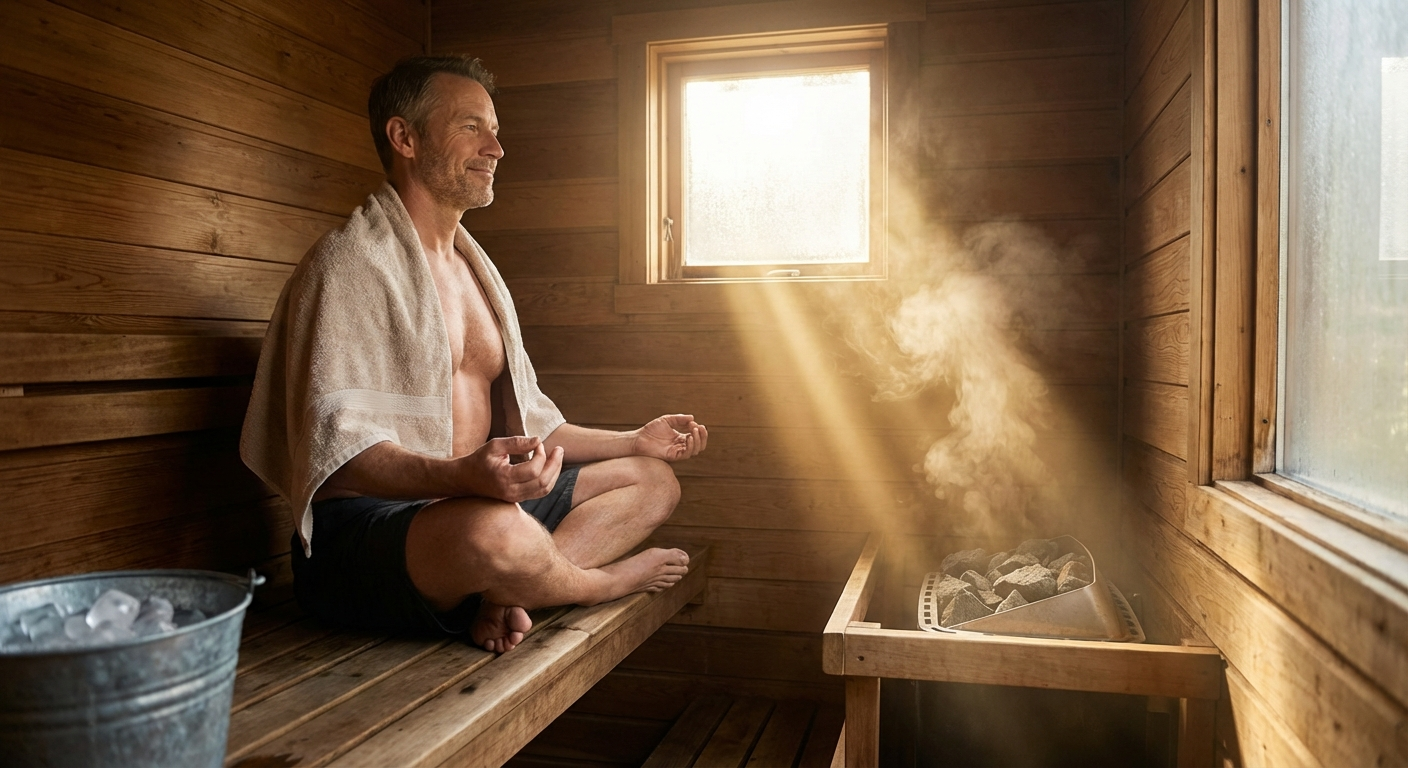
If you're looking for a morning ritual that genuinely delivers on energy, recovery, and stress resilience, contrast therapy—the practice of alternating between sauna heat and cold exposure—is one of the most science-backed strategies available. Unlike supplements or fancy gadgets, contrast therapy is ancient in origin (Finnish saunas have done this for centuries) and increasingly validated by modern research.
Here's what you need to know: when you alternate between hot and cold, your blood vessels expand and contract in a sequence, creating what researchers call a "vascular workout." This simple physiological response triggers cascading benefits—from improved circulation and reduced inflammation to boosted mood and enhanced recovery. And the best part? You can start with just contrast showers at home.
What Is Contrast Therapy?
Contrast therapy (also called hot-cold therapy) involves cycling between periods of heat exposure and cold exposure, typically in 2-3 rounds. The heat phase (sauna, hot shower) causes blood vessels to dilate (vasodilation), while the cold phase (ice bath, cold plunge, cold shower) triggers constriction (vasoconstriction). This repeated cycling strengthens vascular function and triggers a cascade of physiological adaptations.
Traditional protocol (for those with access to sauna + cold plunge):
- 10–15 minutes in sauna (140–160°F / 60–71°C)
- 30–60 seconds in cold water (50–59°F / 10–15°C)
- 2–3 minute rest/recovery between cycles
- Repeat 2–3 times, ending with cool-down
Home-friendly alternative (contrast shower):
- 2–3 minutes hot water shower
- 30–60 seconds cold water (gradually work up to this)
- Repeat 2–3 times, ending with cool water
- Takes about 10 minutes total
Importantly: always start with shorter cold exposures and work your way up. Your nervous system needs to adapt, and safety is paramount.
The Science-Backed Benefits
1. Improved Circulation and Cardiovascular Health
The vascular "pumping" effect strengthens your cardiovascular system. Heat dilates vessels, cold constricts them—this repeated cycling is essentially exercise for your blood vessels. Research shows sauna use alone (57 minutes per week, in 10–15 minute sessions) correlates with improved endothelial function, lower blood pressure, and reduced cardiovascular disease risk.
2. Faster Muscle Recovery and Reduced Soreness
Athletes have used contrast therapy for decades because it genuinely works. Cold exposure reduces inflammatory markers and delays-onset muscle soreness (DOMS), while the subsequent heat phase increases blood flow to bring nutrients and flush metabolic waste. Studies confirm that contrast therapy accelerates recovery when used post-exercise, helping you feel stronger and more energized in the morning after a hard workout the day before.
3. Mood and Stress Resilience
Cold exposure triggers catecholamine release (norepinephrine and dopamine), which elevate mood and motivation. Sauna use increases endorphins and promotes parasympathetic activation (rest-and-recover mode). Together, they create a balanced mood boost—alert yet calm. Research on sauna users shows reduced anxiety and depression risk, and preliminary studies on cold exposure show it can improve mood and stress resilience over time.
4. Enhanced Immune Function
Both heat and cold stimulate white blood cell production and enhance immune activation. Regular contrast therapy may improve your body's ability to handle stress and fight off minor illnesses. A 2025 scoping review noted time-dependent improvements in immunity markers when sauna and cold exposure are used consistently.
5. Improved Sleep and Recovery
The physiological stress from contrast therapy is mild and time-limited, triggering adaptive responses that improve sleep quality. Sauna use in particular has been linked to better sleep architecture and deeper sleep stages, and cold exposure (when timed right, in the morning) promotes alertness without disrupting evening sleep.
Why Morning Is the Ideal Time
Doing contrast therapy in the morning offers several advantages:
- Boosts morning energy: The catecholamine release and improved circulation kick-start your nervous system naturally, reducing reliance on coffee.
- Sets a resilience tone: You're starting your day with a mild physiological stress that you successfully adapt to—builds confidence and stress tolerance.
- Doesn't interfere with sleep: Done in the morning, contrast therapy promotes alertness when you need it, without the evening stimulation that could disrupt sleep.
- Primes recovery: If you're training later in the day, the morning contrast therapy "warms up" your vascular system and prepares for harder exercise.
Dive deeper: Andrew Huberman and Dr. Susanna Søberg explain the optimal protocols for sauna and cold exposure:
Getting Started: Simple Protocols for Home or Gym
Option 1: Contrast Shower (Home, Free)
If you don't have access to sauna or cold plunge, contrast showers work surprisingly well:
- Start warm: 2–3 minutes under hot water, as hot as you can comfortably tolerate.
- Brief cold: Switch to cold water for 30–60 seconds. Start shorter and build up over weeks.
- Repeat: 2–3 cycles, ending with cool water.
- Total time: ~10 minutes.
Pro tip: Finish with the cold phase to trigger the catecholamine boost for daytime alertness.
Option 2: Sauna + Cold Plunge (Best Results)
If you have access to a sauna (gym, spa, or home setup) and can do cold exposure:
- Sauna: 10–15 minutes at 140–160°F.
- Cool down slightly: 1–2 minutes to let heart rate settle before plunge.
- Cold plunge: 30–90 seconds at 50–59°F (build up to this duration).
- Rest: 2–3 minutes, warm up passively.
- Repeat: 2–3 cycles.
Andrew Huberman's Optimal Protocol (Research-Backed)
Based on current evidence, Huberman recommends:
- Sauna: 57 minutes per week (roughly 3–4 sessions of 12–15 minutes)
- Cold exposure: 11 minutes per week (multiple short bouts, not long single sessions)
- Timing: Sauna ideally before cold, with a brief rest between
- Note: Don't do intense cold immediately post-workout if you want maximum muscle growth (cold can suppress some growth signaling), but it's excellent for recovery and reducing soreness when used separately.
Important Safety Considerations
Contrast therapy is safe for most people, but some precautions apply:
- Gradual acclimation: Don't jump into ice-cold plunges. Start with cool (60–70°F) and gradually reduce temperature over weeks.
- Health conditions: If you have heart disease, uncontrolled blood pressure, or are pregnant, consult a healthcare provider before starting.
- Avoid when dehydrated or ill—these increase cardiovascular stress.
- Never force cold exposure: If you're gasping uncontrollably or in extreme distress, exit immediately. Some breath control is normal; panic is not.
- Hydration: Sauna causes fluid loss—drink water before and after.
Combine with Other Morning Rituals
Contrast therapy pairs beautifully with other healthy morning practices:
- Morning walk: Do contrast therapy first, then go for a 20–30 minute walk to integrate the energy boost and move your recovered muscles.
- Breathwork: During cold exposure, practicing Wim Hof breathing or box breathing enhances the stress-adaptation response.
- Hydration: Follow with a glass of water and herbal tea to aid recovery and keep electrolytes balanced.
- Nutrition: Have a balanced breakfast within 1–2 hours to support recovery signaling.
The Bottom Line
Sauna and contrast therapy are among the most evidence-backed, practical tools for boosting morning energy, accelerating recovery, and building stress resilience. Whether you start with simple contrast showers at home or work up to full sauna-and-plunge sessions, the physiological benefits are real and measurable: better circulation, faster recovery, improved mood, and enhanced resilience.
The beauty of contrast therapy is that it requires no supplements, no expensive equipment (beyond a sauna/cold tub if you choose the full protocol), and no complex instructions. Your body's adaptive systems do the work. Start small, be consistent, and you'll notice improvements in energy, mood, and recovery within weeks.
Ready to try? Start with a contrast shower tomorrow morning—and notice how much more alert and energized you feel for the rest of the day.
Recommended Products on Amazon
Want to make this ritual easier to stick with? These product searches are a good place to start:
This post contains affiliate links. If you purchase through our links, we may earn a small commission at no extra cost to you.